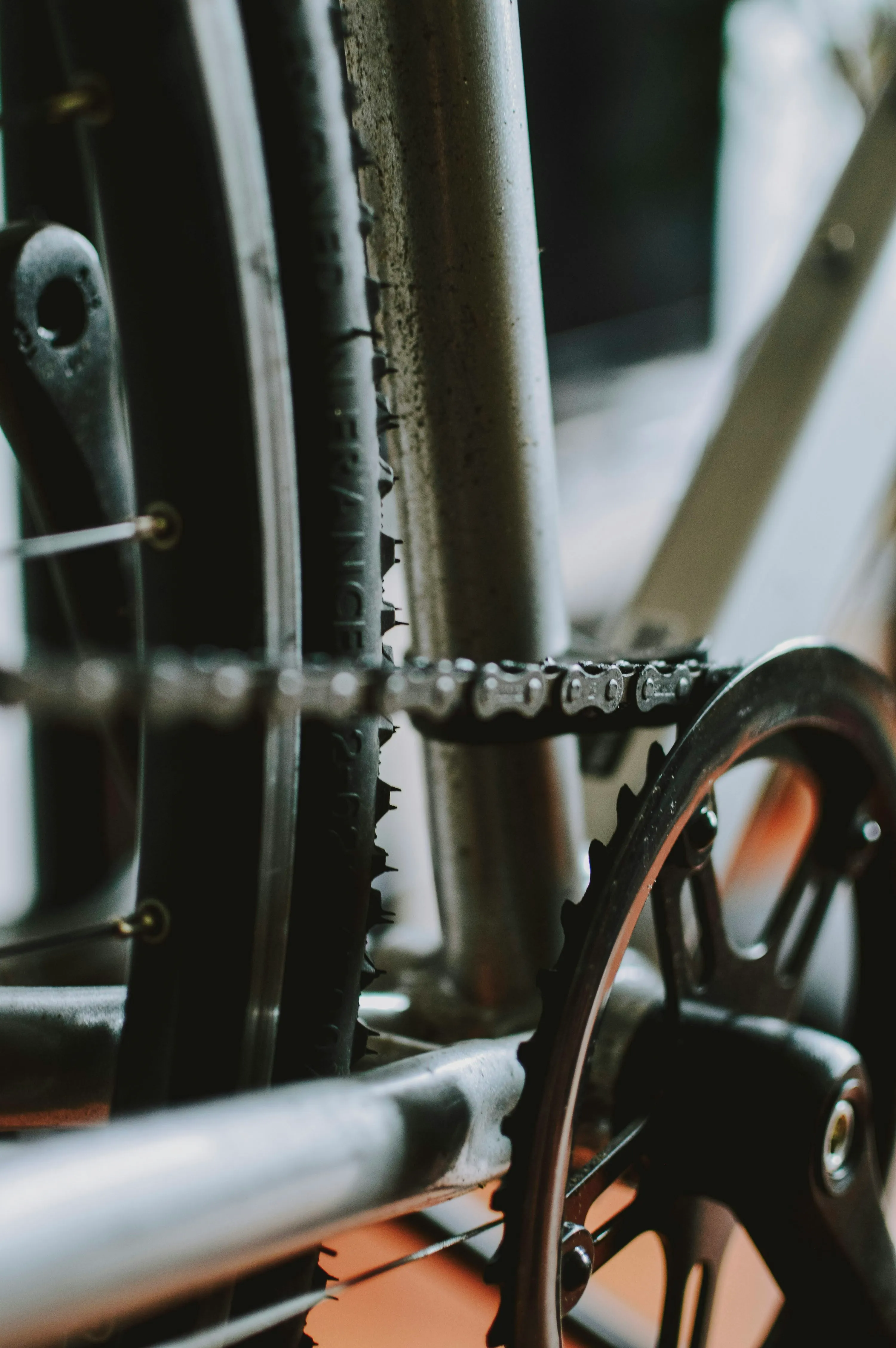
Cycle maintenance made simple: the routine that keeps your bike running
A plain cycle maintenance routine: the 2-minute pre-ride check, weekly and monthly jobs, cleaning and lubrication basics, and when to see a mechanic.

Most cycle problems announce themselves weeks before they strand you. A chain that squeaks, a brake lever that pulls a little further, a cycle tyre that feels softer than last week. Maintenance is mostly listening early, and it takes far less time than the repairs it prevents.
This guide lays out a routine that covers what a daily or weekend rider actually needs, whether you ride a regular bike or an electric cycle: a two-minute check before rides, a few weekly and monthly jobs, and a clear line between what you can do at home and what belongs to a mechanic.
The two-minute check before you ride
REI’s maintenance guide teaches a simple pre-ride inspection known as the ABC check. Do it until it becomes automatic; it catches the majority of safety issues.
A is for Air. Press down on each tyre with your palm. It should feel firm, not squishy. The recommended pressure is printed on the tyre sidewall. Properly inflated tyres prevent pinch punctures and make the bike noticeably easier to ride.
B is for Brakes. Squeeze each brake lever separately. It should engage smoothly and stop well before touching the handlebar. If a lever pulls all the way to the grip, or the braking feels weak or gritty, that is a fix-before-riding issue, not a later issue.
C is for Chain. Turn a pedal backwards and watch the chain run through the gears. It should move smoothly and quietly. A dry, rusty or squeaking chain needs cleaning and lubrication, which takes ten minutes and changes how the whole bike feels.
While you are there, give the wheels a spin to check they run true, and confirm any quick-release levers are properly closed.
The weekly habit: clean and lubricate
How often depends on your riding. Weekly suits a daily commuter; after every wet or dusty ride is the real rule. The core job is the drivetrain: chain, chainrings, cassette and derailleur pulleys.
Wipe the chain with a rag while back-pedalling to remove surface grit, apply a drop of bicycle chain lubricant to each link, turn the pedals a few times, then wipe off the excess. That last step matters: REI’s guidance warns that over-lubricating attracts dirt and turns into an abrasive paste that wears parts faster. A clean-looking, lightly oiled chain beats a black, dripping one every time.
Rinse or wipe mud and dust off the frame and fork, but go easy with high-pressure water near bearings; it pushes grease out and water in.
The monthly once-over
Once a month, give the bike fifteen unhurried minutes.
- Bolts. Bicycles are held together by dozens of nuts and bolts, and vibration loosens them. Check the handlebar, stem, seat post and rack bolts with a multitool. Snug, not heroic: overtightening damages components.
- Brake pads. Look at the wear lines. Pads worn close to their limit are a cheap part and a quick swap.
- Tyres. Pick out embedded glass and stones, and inspect the sidewalls for cuts. Slow leaks often trace back to a tiny sharp object you can remove in seconds.
- Gears. Shift through the full range. Hesitant or noisy shifting usually means cable tension needs a small adjustment. (A single-speed skips this job entirely.)
What a basic home kit looks like
You do not need a workshop. A decent multitool with hex keys, a floor pump with a pressure gauge, tyre levers, a puncture kit or spare tube, a rag and a bottle of chain lube cover almost everything above. This fits in a small box and costs less than a couple of shop visits.
Indian conditions: two extra rules
Dust and monsoon change the schedule more than the fundamentals. In dusty months, wipe and re-lube the chain more often, because dust turns lubricant into grinding paste. In the monsoon, dry and lubricate the chain after wet rides and check brake pads more frequently; wet rims and rotors wear pads faster than dry ones.
The whole routine at a glance
Before every ride: the ABC check (Air, Brakes, Chain) plus a quick wheel spin. Most weeks: wipe and re-lube the chain, more often in dust or rain. Monthly: bolts, brake pads, tyres and a full gear check. Twice a year: a professional service. After every wet ride: dry the bike and re-lube the chain. Write the twice-yearly service into your calendar now; everything else becomes habit within a month.
Common maintenance questions, answered briefly
How do I know when the chain is worn out? Chains stretch with use, and a stretched chain quietly wears the expensive parts it touches, the cassette and chainrings. A shop can measure wear in a minute with a chain gauge; replacing a chain on time is one of the best value swaps in cycling.
Is it okay to wash the bike with soap and water? Yes, with a soft brush, mild soap and a gentle rinse. Avoid high-pressure jets aimed at the hubs, headset and bottom bracket, where water forces its way past seals. Dry the bike after, and re-lubricate the chain.
Which lubricant should I buy? A bicycle-specific chain lube matched to your conditions: “dry” lubes for dusty months, “wet” lubes for the monsoon. Household oils and WD-40-style sprays are not substitutes; they either attract grit or strip existing lubrication.
Why do my brakes squeal? Usually contamination on the pads or rim/rotor surface, or pads that have glazed over. Sometimes a clean with isopropyl alcohol and light sanding of the pads fixes it; persistent squeal after cleaning means new pads or a mechanic’s look.
Do gears need maintenance or just adjustment? Both. Keep the drivetrain clean, and learn the barrel adjuster: a quarter-turn at a time corrects most hesitant shifting. Bent derailleur hangers and frayed cables are mechanic territory.
What to leave to a mechanic
Home maintenance has a sensible boundary. REI recommends a professional tune-up roughly twice a year for regular riders, and it is good advice: spokes, bearings, derailleur alignment and cable internals wear in ways that are hard to judge without experience. A twice-yearly service, plus your own routine, is cheaper than the parts that fail without it.
Take the bike in straight away if the wheels wobble side to side, the brakes feel spongy after your own checks, or the gears jump under load.
What maintenance actually saves
The maths is quietly compelling. A puncture kit and chain lube cost less than a single roadside repair. A chain replaced on time protects a cassette and chainrings that cost several times more. Brake pads checked monthly are a small part; a worn-to-metal pad scores the rim or rotor it presses against. Maintenance does not just prevent breakdowns; it converts large, sudden expenses into small, predictable ones, and keeps the bike’s ride quality close to new for years.
The bottom line
Cycle maintenance is a rhythm, not a project. Two minutes before rides, ten minutes of cleaning most weeks, fifteen minutes of checks each month, and a mechanic twice a year. Follow that rhythm and your bike rewards you with the thing every rider actually wants: it just works, every morning.
Related read
Tyres do more maintenance work than any other component, and EMotorad’s guide to cycle tyres and tubes covers types, care and how to choose the right ones for your riding.
Sources
- REI Expert Advice, Bike maintenance: 101 basics guide: the ABC check, lubrication and tune-up frequency.
- Cycling UK, Simple tips to keep your bike in peak condition: routine checks and cleaning.
- Cover photo: Pexels, free Pexels licence.